

The housing market is a complex, ever-changing landscape shaped by the fundamental principles of supply and demand. Whether you are a prospective buyer, seller, or real estate investor, understanding how these forces influence property values and market dynamics is crucial. The guidance of experienced professionals can help make navigating these complexities much easier, and seasoned Boston real estate agents Corcoran Property Advisors are a valuable resource for those looking to buy or sell in competitive markets.
Both long-term trends and short-term fluctuations impact everything from home affordability to neighborhood growth. A robust grasp of supply-and-demand fundamentals empowers consumers to make smarter, more timely decisions, regardless of prevailing market conditions. This guide explores the current interplay of these components, providing insight into trends, regional differences, and practical strategies for buyers and sellers alike.
From the surge in new homes on the market to the affordability crunch affecting millions, understanding how economic events and policy changes ripple through the housing sector is essential. Whether you aim to capitalize on opportunities or protect your investment, a strong foundation in these concepts is non-negotiable.
The Fundamentals of Supply and Demand
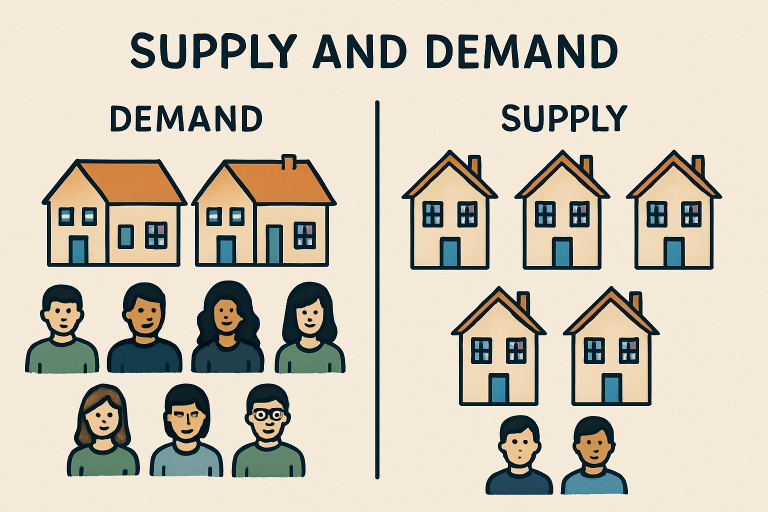
Supply and demand are at the heart of every transaction in the housing market. When available listings outnumber active buyers, prices tend to stagnate or decline as sellers compete for attention. When motivated buyers outpace supply, bidding wars and steep price increases often result. These shifts are driven by a mix of broader economic indicators, demographic trends, and interest rate changes, all of which can influence housing markets at both the national and local levels.
Traditionally, a balanced market features around six months’ worth of home inventory, where neither buyers nor sellers hold a clear advantage. However, even minor imbalances stemming from new construction, changing mortgage rates, or population shifts can quickly snowball into dramatic price swings, shaping both short-term opportunities and long-term growth potential.
Current Trends in Housing Supply
Recent years have brought significant changes to housing inventory across the United States. In early 2026, active listings climbed to levels not seen since before the pandemic, providing a greater selection for buyers. However, this uptick in supply has not resulted in a similar rise in completed home sales. In fact, pending sales hit record lows, with economic uncertainty and persistently high mortgage rates making many buyers cautious about entering the market. According to Redfin, this disconnect highlights the complexity of today’s market: while more properties are available, affordability constraints still hold many would-be homeowners back.
Builders, meanwhile, have responded to changing conditions differently, either throttling back new home starts or diversifying their offerings to better meet demand for smaller, more affordable properties. Market participants closely watch these trends to anticipate periods of opportunity or slowdown in specific regions.
Factors Influencing Housing Demand
Housing demand hinges on a mix of forces, some cyclical, others structural. Economic health plays a key role: job growth, wage gains, and consumer confidence all correlate positively with real estate activity. Mortgage rates, dictated by Federal Reserve policy and broader economic trends, determine how affordable borrowing is for the average household. Even a modest rate fluctuation can tip the scales for thousands of potential buyers.
- Economic Conditions: A thriving economy boosts confidence and increases the number of people seeking to purchase homes, while a weaker economy can quickly suppress demand.
- Interest Rates: Lower rates make homeownership more accessible, while rising rates diminish purchasing power and reduce the pool of eligible buyers.
- Demographic Trends: Millennial and Gen Z cohorts entering their prime homebuying years, along with population growth and urban migration, all increase demand for both starter and upscale homes.
Despite a recent dip in mortgage costs, affordability has fallen to historic lows in 2025, with the median home price in February climbing to $398,400, a nearly 4% annual jump. Many households, already burdened by high interest rates, remain sidelined, unable to bridge the gap despite increased supply throughout the market.
Regional Variations in the Housing Market
While national trends provide a broad view, each regional housing market reacts differently to the same underlying forces. For example, Tampa Bay ranked second-fastest in cooling between April 2023 and April 2024, despite ongoing constraints on new-home supply. In cities like Tampa, high mortgage rates and economic headwinds have held down buyer activity, resulting in slower price growth and longer listing times. Local employment rates, housing policies, and changes in population or migration patterns influence regional variations.
Affordability Challenges Amidst Market Fluctuations
Affordability remains the most pressing issue confronting buyers nationwide. By July 2025, the national median home price stood at $439,450. In stark contrast, typical buyers earning a median income could only afford homes up to $298,000, pricing about 70% of them out of the market. This persistent gap has led to increased calls for policy interventions and innovative solutions to expand affordable housing stock, such as rezoning and public-private development incentives.
For sellers, the affordability squeeze means rethinking pricing strategies and being prepared for longer selling times. For buyers, it requires exploring creative financing options or broadening the search to less expensive markets or property types.
Strategies for Navigating the Current Market
For Buyers
- Financial Preparedness: Work to improve your credit score, reduce existing debt, and secure mortgage pre-approval before beginning your home search. Being financially ready can give you a critical edge in competitive markets.
- Flexibility: Increased openness to different neighborhoods or housing types can uncover hidden opportunities and better deals, especially as market conditions fluctuate.
For Sellers
- Competitive Pricing: Set realistic asking prices grounded in recent comparable sales and current market trends to attract serious buyers.
- Property Presentation: Small investments in presentation, such as fresh paint, landscaping, or professional staging, can improve buyer impressions and potentially accelerate sales.
Future Outlook: What Lies Ahead?
The housing market faces a period of transition as supply increases, demand remains sensitive to rates and prices, and major demographic shifts continue. Ongoing policy debates over zoning, tax incentives, and affordable housing will shape opportunities for buyers and sellers alike. Taking a proactive and informed approach will be key to weathering volatility and seizing new opportunities as the market continues to evolve.
Staying updated on market trends, seeking expert advice, and maintaining flexibility can all minimize risk and maximize gains in a fast-changing housing landscape.