

Travelers and locals alike are finding that classic sightseeing has been reinvented in the digital age. While historic sites remain just as awe-inspiring as ever, today’s explorers seek deeper connections, richer stories, and interactive journeys through time and space. From the heart of New York City to heritage sites worldwide, new immersive experiences are changing how we perceive iconic destinations and offering visitors compelling things to do in NYC and beyond.
Immersive tours and digital installations allow you to experience the stories behind legendary landmarks as never before. Whether stepping into a virtual realm, encountering interactive art, or recreating historical moments, today’s landmark adventures invite engagement rather than just observation. These experiences create lasting memories and inspire deeper appreciation for both culture and innovation.
Advancements in technology, coupled with creative vision, are driving this growing trend. The blending of physical and digital spaces offers fresh perspectives on familiar places, making destinations accessible and exciting for visitors of all ages and backgrounds.
The landscape of heritage tourism continues to evolve, with cities around the world embracing new ways of presenting their most treasured sites. As travelers crave more dynamic interactions, these innovative approaches ensure the stories of our greatest landmarks remain vibrant and relevant for generations to come.
Immersive Art Installations
Many historic buildings are undergoing creative transformations that blend past and present through art. For example, a two-century-old bank building in Philadelphia’s Old City has become the Ministry of Awe. Here, multi-floor installations and interactive exhibits merge contemporary art with the site’s original architecture. Visitors wander through dramatic light displays, tactile sculptures, and thought-provoking environments, reimagining what a landmark can be. These installations not only preserve history but also invite new interpretations and discoveries into the visitor experience.
Furthermore, immersive art installations often serve as cultural meeting grounds, attracting not only art lovers but also curious passersby and local communities who might not otherwise engage with traditional museum settings. By combining multiple disciplines, visual arts, soundscapes, and tactile interaction, these spaces foster a sense of inclusivity and ongoing wonder. They prompt visitors to pause, reflect, and interact, transforming a simple visit into an emotional and intellectual journey.
Mixed Reality Experiences
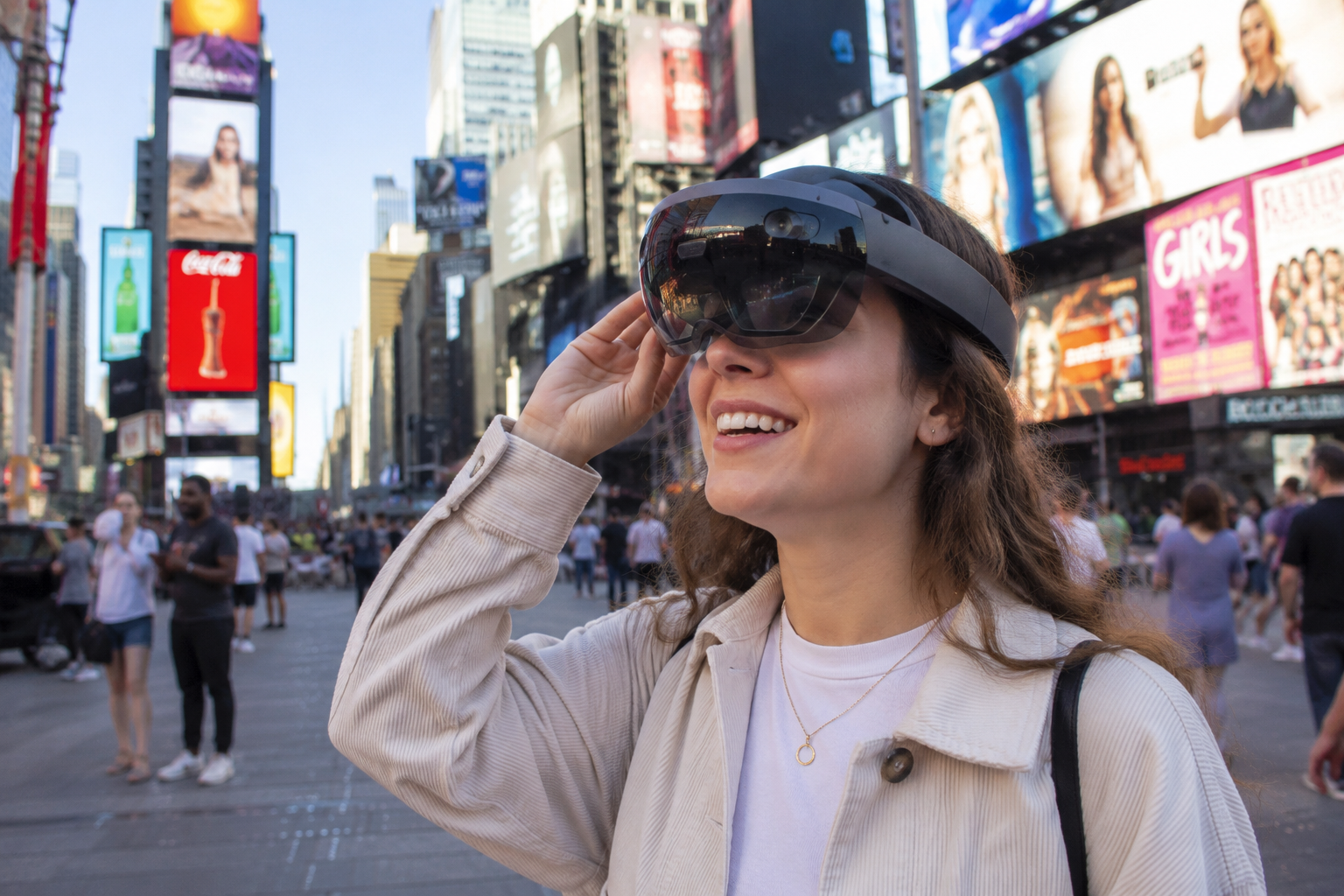
Mixed reality technology is ushering in a new way to experience and interact with landmarks. In New York’s Times Square, artist Mel Chin’s “Unmoored” installation used Microsoft HoloLens to immerse participants in a vision of Times Square submerged in water. By overlaying computer-generated visuals onto the physical environment, visitors could sense the looming reality of climate change in a direct and personal way. Such projects blend digital art with pressing global themes, allowing audiences to engage emotionally and intellectually with the world’s most recognized places. For further reading on mixed reality and public installations, Smithsonian Magazine highlights other notable projects worldwide.
As mixed reality devices become more sophisticated and accessible, the potential applications continue to expand. Cities and institutions are exploring ways to use this technology in guided walking tours, historical reenactments, and even environmental education. Participants often find these experiences unexpectedly moving, since the blending of physical and virtual worlds reveals hidden stories and layers that static exhibits cannot convey. The emotional impact can lead to greater awareness and, in some cases, inspire personal advocacy for history or social issues.
Interactive Exhibits
Iconic sites are increasingly using interactive exhibits to enrich the visitor experience. For example, Cheekwood Estate & Gardens in Tennessee presents “America the Beautiful: National Parks & Landmarks By Rail”—a miniature world constructed entirely from natural materials. Replicas of renowned landmarks such as the Statue of Liberty and the Grand Canyon are accompanied by working model trains. This tactile and visually engaging display invites both children and adults to explore American history in a playful, hands-on way. Interactive exhibits like this one allow exploration across multiple senses, ensuring that all visitors find a connection to the story being told.
Some interactive exhibits also encourage visitors to solve mysteries, complete challenges, or record their own oral histories. The active participation required ensures a more memorable and meaningful experience, strengthening the link between the individual and the landmark. These approaches are particularly effective for families, school groups, and those who learn best through doing rather than simply observing.
Recreating Historic Moments
Travelers today can step into the shoes of history’s most legendary figures. At Rockefeller Center, “The Beam” ride pays tribute to the iconic 1932 photograph of steelworkers perched on a beam high above Manhattan. Visitors are carefully hoisted 12 feet above the observation deck, simulating the iconic scene and providing a thrilling new perspective on the city’s skyline and the courage of its builders. These experiences not only educate but also inspire a visceral sense of connection to the heroes and events that shaped our world.
Immersive Music Experiences
Music is a powerful force for connecting people to culture and place, and landmarks are weaving music history into their immersive narratives. At “Rolling Stone Presents: Amplified, The Immersive Rock Experience,” guests are surrounded by a 270-degree presentation of over 1,000 photographs, 200 videos, and historic recordings from the magazine’s storied archives. The exhibit offers a panoramic journey through rock music’s greatest moments, capturing the spirit and style of the artists who changed the world. Guests leave with a renewed sense of the music’s impact on society and culture.
In other cities, symphony halls and outdoor spaces are utilizing spatial audio, projection mapping, and interactive installations to allow audiences to physically engage with music in new ways. These immersive sound experiences often pair visuals with audio cues, offering multiple layers of understanding and enjoyment and bringing together individuals from diverse backgrounds through a shared love of music.
Collaborative VR Design
Virtual reality is not only enhancing the viewing experience but is also inviting visitors to become co-creators of cultural heritage. The academic study “From remembering to shaping” investigates how groups collaborate in virtual spaces to co-design 3D artifacts in digital reconstructions of heritage locations. Generative AI assists participants in exploring, reinterpreting, and reshaping history together. These collaborative journeys democratize preservation efforts and allow for a more inclusive style of storytelling that evolves with each visitor’s contribution.
Additionally, educational institutions and museums are increasingly adopting these VR programs into school curricula and public outreach activities. By giving students and guests the opportunity to virtually reconstruct sites and artifacts, new generations gain invaluable insights and technical skills while developing a greater sense of shared responsibility for heritage conservation.
Conclusion
Landmarks are more than just relics of the past. Through immersive technology, art, and interactive experiences, these spaces are dynamic hubs of cultural discovery and engagement. Today’s explorers benefit from a wider range of perspectives, richer stories, and memorable activities that encourage deeper appreciation of history and innovation. Engaging with these innovative methods ensures that the world’s most beloved sites continue to inspire, educate, and connect people across generations.